


The Real Gates Behind Charleston's Ironwork Jewelry Collection
- Posted on
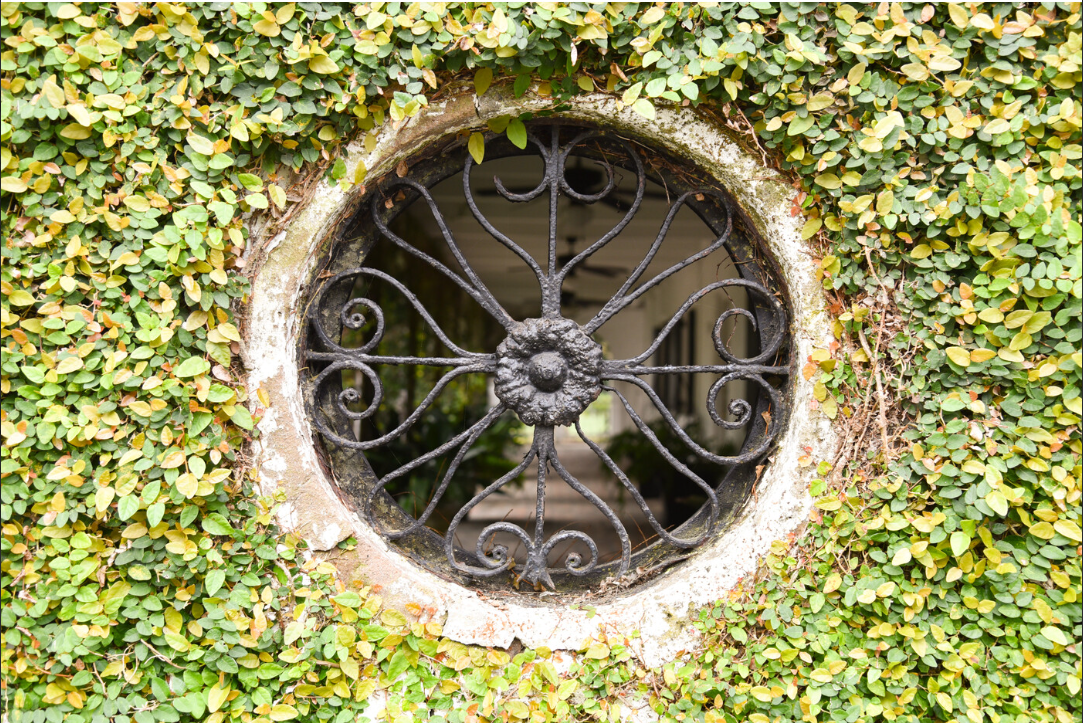
Discover the real gates of Charleston behind our ironwork jewelry, from Rainbow Row to the Pirate Gate, and where to see each one on your next walk.
Every piece in our Charleston Classic Ironwork Jewelry collection is modeled after one of the real gates of Charleston, iron gates you can still walk up to and see today. From the Market Gate just steps from our City Market shop to the Pirate Gate tucked into a Church Street alley, each design carries an address and a story. Here are the six gates behind the collection, and where to find each one.
Why Charleston Is Known for Its Iron Gates
Charleston has been a city of ironwork since the 1700s. Blacksmiths here shaped scrolls, spears and curls into gates and railings for homes, churches and gardens, and many of those pieces are still standing. The gates served a practical purpose, too. They kept a courtyard private while still letting the harbor breeze move through, which mattered in a Lowcountry summer.
The craft never really left. Charleston's most celebrated blacksmith, Philip Simmons, spent decades creating hundreds of decorative gates and railings across the peninsula, and his work is still part of daily life downtown. Walk south of Broad Street on any afternoon and you're walking through an open-air museum of iron.
We've been part of the Historic Charleston City Market since 1975, and these gates are part of the city we see every day. It made sense to turn a few of our favorites into something you could carry home.
The Six Gates Behind the Collection
Each gate in the collection was chosen for its design and for the corner of Charleston it represents.
The Market Gate, 181 Meeting Street. This one is closest to home. The Market Gate stands on Meeting Street, just steps from the Charleston City Market, where our shop has been since 1975. Thousands of visitors pass it on their way into the market, which makes it a favorite for anyone who wants a keepsake from their first walk through. If you're planning that walk, our guide to buying fine jewelry at the Charleston City Market is a good place to start.
The Old Exchange Gate, 122 East Bay Street. The Old Exchange Building was completed in 1771, before the American Revolution, and over the years it has served as a customs house, a public meeting hall and even a prison. George Washington was welcomed here during his 1791 visit to Charleston. Its gate marks the entrance to one of the most historic buildings in the city.
The Rainbow Row Gate, 89 East Bay Street. Rainbow Row is a stretch of 13 pastel houses along East Bay Street and one of the most photographed blocks in Charleston. The homes were restored and painted in their soft colors starting in the 1930s. The gate at 89 East Bay is an oval design, and its elongated look adds a line of dark iron against all that color. That shape is exactly what makes it so beautiful as jewelry.
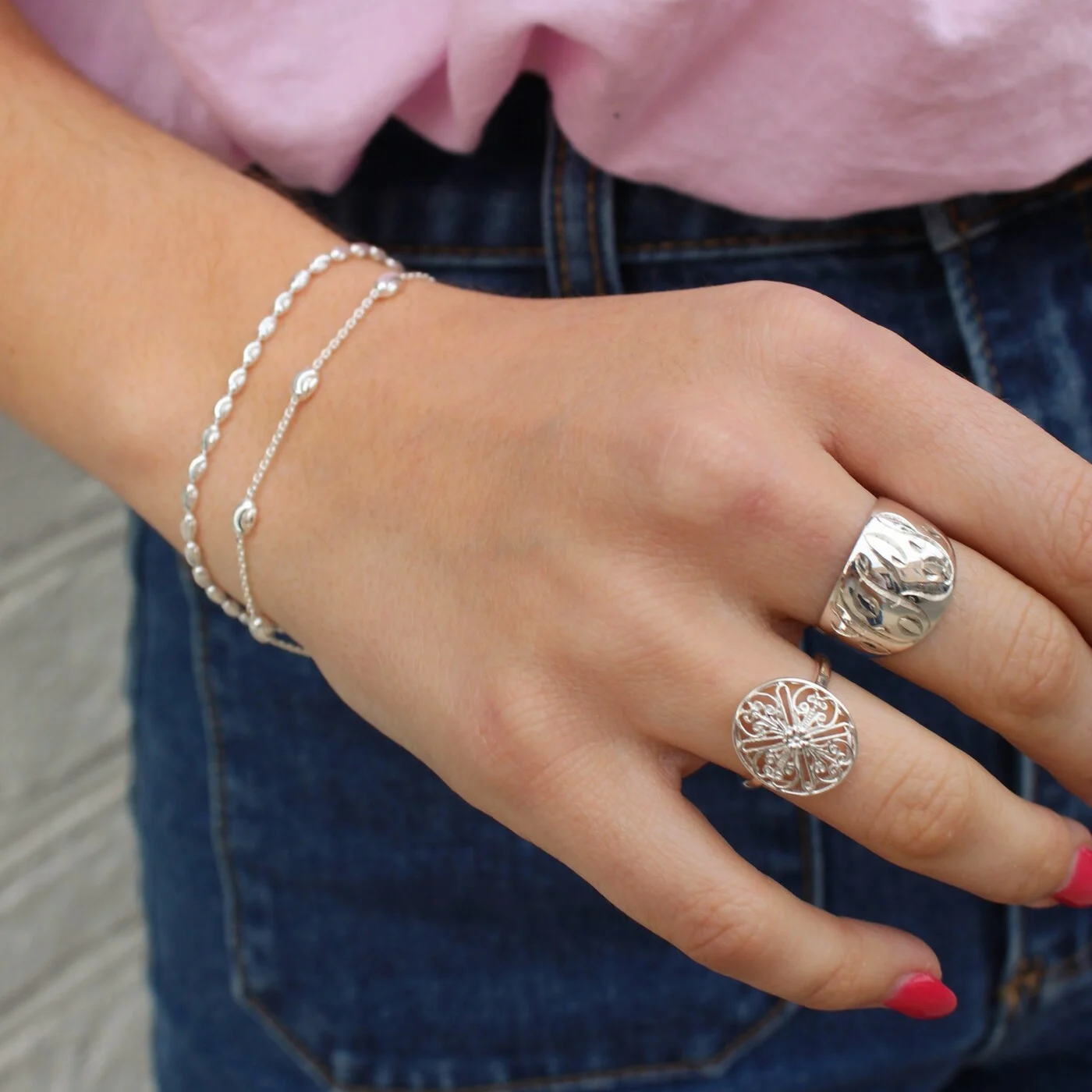
The Pirate Gate, 145 Church Street. The Pirate Gate sits at the entrance of a quiet alleyway on Church Street. Old tales tell of a hidden tunnel running from the courtyard to the sea, where pirates slipped in and out of the city with their goods. Whether or not the tunnel was ever real, the legend is half the fun.
The 5 King Gate, 5 King Street. On the lower end of King Street near the Battery, a double-door wrought iron gate opens onto a calm, tucked-away garden. Peek through the ironwork and you'll see the kind of quiet green space Charleston is known for, the kind people stumble on during an evening stroll toward White Point Garden.
The Thomas Bennett House Gate, 69 Barre Street. Governor Thomas Bennett built his home on Barre Street around 1825, after his term as governor ended. From the house, he could look out over his family's rice and saw mills along the Ashley River. Today the Governor Thomas Bennett House is listed on the National Register of Historic Places, and its gate is one of the quieter treasures in the collection.
From Iron Gate to Fine Jewelry
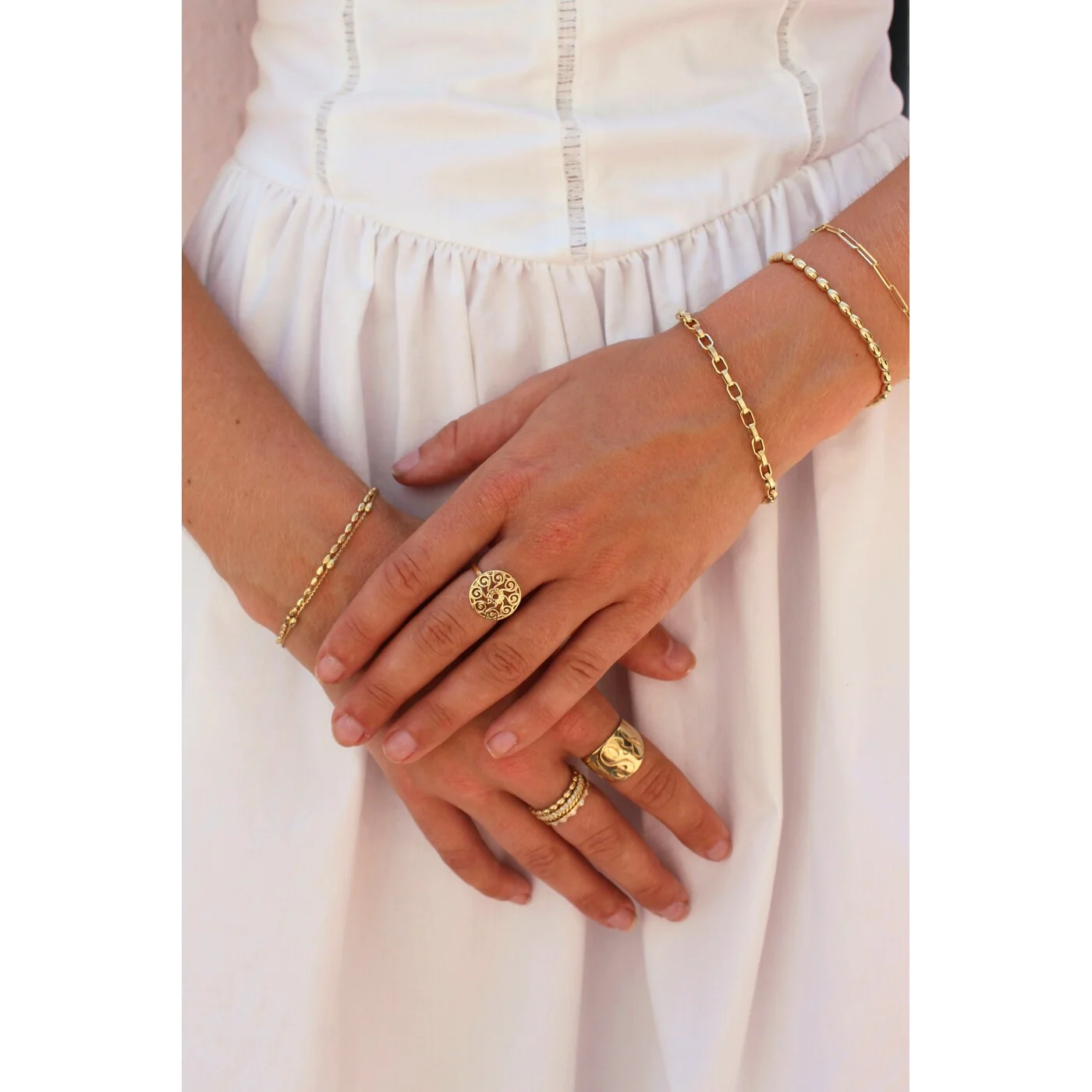
Every gate in the collection is a Gold Creations Original, designed right here in the heart of downtown Charleston. Each design starts with the real gate, its bars, scrolls and curves, and brings those lines down to a size you can wear every day. Every piece comes boxed with a collection card that names the gate and tells you where it stands, so the story travels with the jewelry.
The collection includes pendants in sizes from small to extra large, along with matching earrings and rings for most of the six gates. You'll find the designs in 14K yellow gold and in sterling silver stamped 925, a beautiful keepsake that just needs a little care to stay bright. A few 14K gold pendants are also set with mother of pearl for a softer look. Because each gate starts from an original mold, select pieces can be specially ordered in white or rose gold.
Browse the full Charleston Classic Ironwork Jewelry collection to see every gate side by side. For a different take on the same Charleston ironwork, take a look at our Charleston Diamond Cut Ironwork Jewelry, and if you're curious about the craftsmanship behind each piece, our guide to what makes our ironwork jewelry different goes deeper.
See the Gates, Then Take One Home
You can see five of the six gates in one easy afternoon walk. Start at the City Market and the Market Gate, then head to Church Street for the Pirate Gate. From there, walk down to East Bay Street for the Old Exchange and Rainbow Row, and finish on lower King Street near the Battery. The Bennett House sits farther west near the Ashley River, so plan a short drive or a longer walk for that one.
When you're done, stop by our shop at 74 South in the Historic Charleston City Market, open 10 AM to 5 PM daily. Our guide on where to find Charleston gate jewelry in the City Market will help you plan your visit.
Frequently Asked Questions
What are the most famous gates in Charleston?
The Sword Gate on Legare Street is one of the best known, along with the many gates made by blacksmith Philip Simmons. The Old Exchange, Rainbow Row and the Pirate Gate on Church Street are also favorites with visitors.
Can you walk to see the gates of Charleston?
Yes. Most of the city's historic gates sit on the downtown peninsula, south of Broad Street and around the French Quarter. Wear comfortable shoes and look down the alleys, since many of the best gates are tucked just off the main streets.
Is Charleston gate jewelry based on real gates?
At Gold Creations, yes. Every piece in our Charleston Classic Ironwork Jewelry collection is modeled after a real gate in the city, and each one comes with a collection card that tells you which gate it is and where to find it.
Every gate in Charleston has a story, and now you can wear one. Shop our Charleston Classic Ironwork Jewelry collection and Take Home a Piece of Charleston®.