


The History of Sweetgrass Jewelry in Charleston
- Posted on
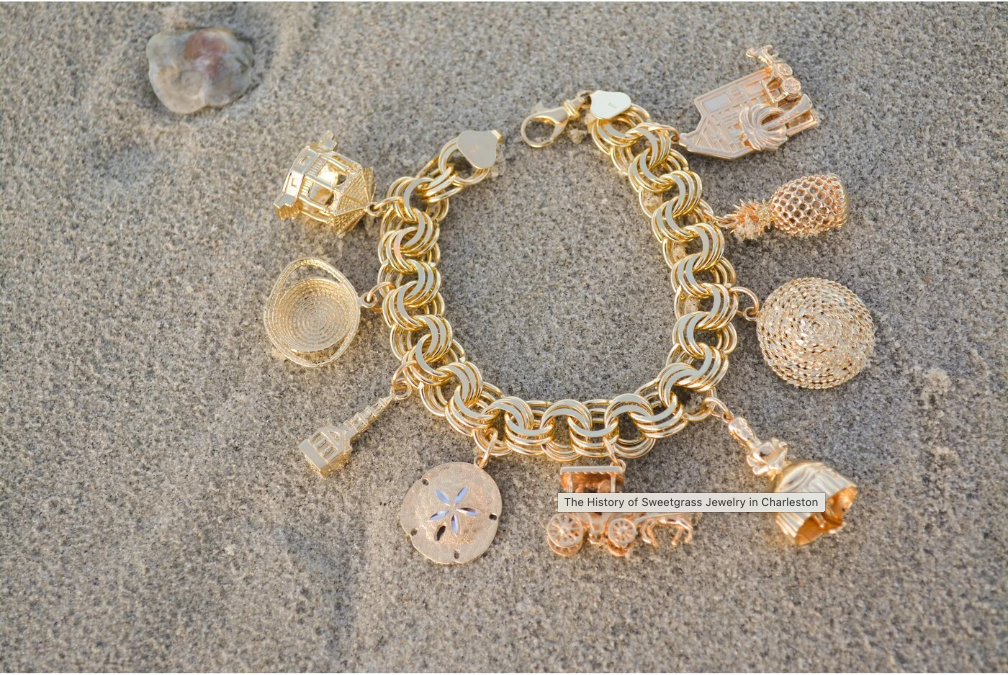
Discover how Charleston's 300-year sweetgrass basket tradition inspired a Gullah-rooted jewelry collection handcrafted at Gold Creations.
Long before it appeared in a jewelry case, sweetgrass was woven into baskets by hand along the South Carolina coast. That craft, carried across the Atlantic more than 300 years ago, is the same one behind the woven texture in Gold Creations' Sweetgrass Jewelry collection today.
A Craft Carried Across the Atlantic
Sweetgrass basket weaving arrived in the Lowcountry in the 17th century with enslaved West Africans, who brought coiling techniques passed down through generations in West and Central Africa. The National Park Service recognizes this craft as part of the Gullah Geechee Cultural Heritage Corridor, a protected stretch of coastline from North Carolina to Florida that preserves the traditions of the descendants of those enslaved communities.
Sweetgrass itself is a native coastal plant, prized for its strength and flexibility once dried and bundled. Basket makers still harvest it by hand today, cutting mature blades in a way that lets the plant keep growing, a small, careful practice that has kept the material available for over three centuries of weavers. That tradition took root most deeply on the Sea Islands along the South Carolina coast, where Gullah Geechee communities kept the craft alive in relative isolation for generations, preserving techniques that elsewhere were lost.
The baskets themselves were practical at first. Plantation owners needed a tool to separate rice grain from chaff, and the tightly coiled weave of sweetgrass, bulrush, and palmetto fronds made a nearly perfect fanner basket for the job. Rice was the economic engine of colonial Charleston, and for generations, sweetgrass baskets were as common in the Lowcountry as the rice fields themselves.
From Rice Fields to Fine Art
Basket makers, mostly women, kept the coiling tradition alive and slowly turned a working tool into a decorative art form. Today, sweetgrass basket weaving is recognized as one of the oldest African art forms still practiced in America, passed from mother to daughter along Highway 17 north of Charleston for more than three centuries.
Mount Pleasant's Sweetgrass Basket Makers Highway and the annual Sweetgrass Cultural Arts Festival keep the tradition visible for visitors today, but the heart of the craft has always been the Charleston City Market, where basket makers have sold their work for generations, steps from where Gold Creations has operated since 1975.
From Basket to Bench: How the Craft Became Jewelry
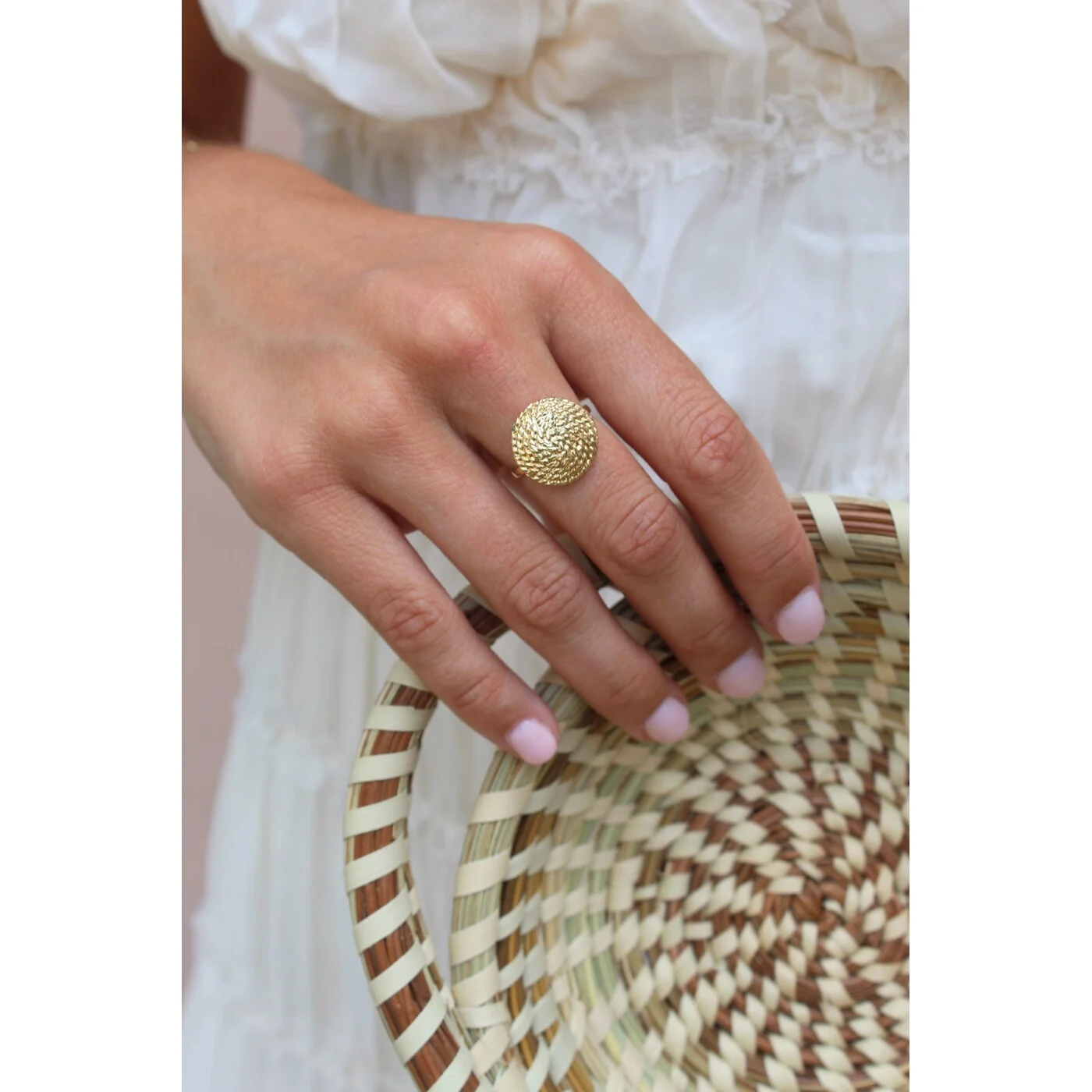
Patrick, a second-generation jeweler who grew up in the Charleston City Market, designed the Sweetgrass Jewelry collection to honor that heritage in gold and silver rather than grass and thread. Each piece is hand diamond-cut to catch the light the way woven sweetgrass catches the sun, an organic, textured finish that carries the same handcraft sensibility Gold Creations has built its name on since 1975.
It's a similar instinct to the one behind Gold Creations' Charleston Rice Beads, another collection built around a piece of Lowcountry agricultural history turned into something wearable. Both collections take a working tradition and give it a permanent form, one you can pass down the way basket makers pass down their coiling technique.
Wearing a Piece of Lowcountry Heritage
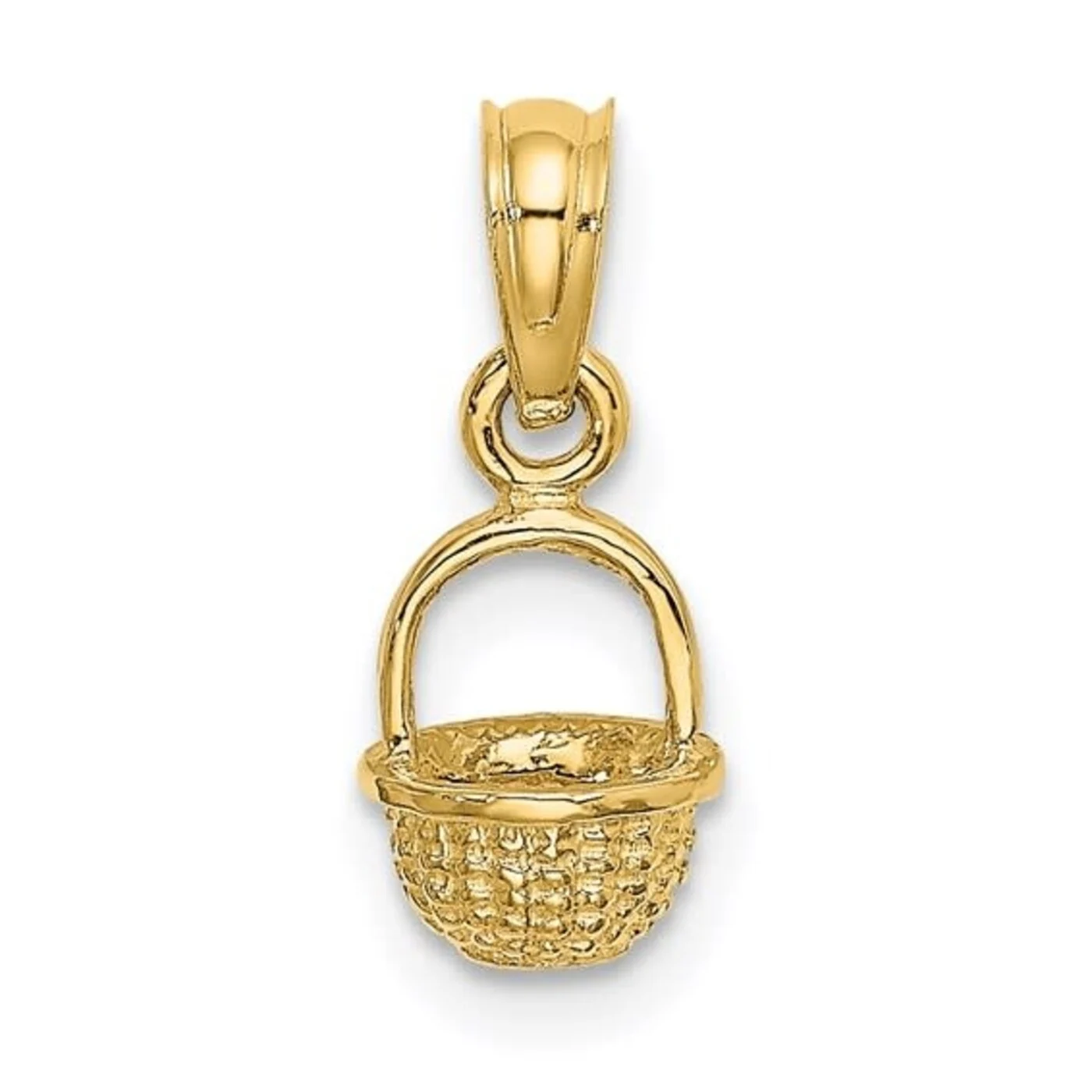
The collection includes pendants, rings, earrings, and basket-shaped charms in both 14k gold and sterling silver. Sterling silver pieces carry the 925 stamp that marks true sterling, a keepsake standard rather than a lesser alternative, and one that only needs the occasional polish to stay bright for decades. Every sweetgrass design is kept in stock in 14k yellow gold, and select GC original pieces can also be special ordered in white or rose gold, since each one starts from an original mold designed in the heart of downtown Charleston.
That flexibility matters for a collection built on heritage. A ring or pendant can move between generations the same way a basket does, from a grandmother's hands to a granddaughter's, only this version won't wear down with age. For visitors who fall in love with the basket makers along Highway 17 or at the City Market, a piece from this collection is a way to carry that same story home in a form built to last a lifetime.
For a deeper look at how these heritage motifs connect across the store's collections, see the meaning behind Charleston's coastal symbols, from redfish to rice beads to sweetgrass.
FAQ
What makes sweetgrass baskets so significant to Gullah culture?
The coiling technique is one of the few West African traditions to survive intact in America, passed down within Gullah families for over 300 years without ever being written down.
Why are sweetgrass baskets, and sweetgrass-inspired jewelry, considered valuable?
Both take hours of skilled handwork. A basket can take a weaver days to finish, and a diamond-cut sweetgrass ring requires the same hand-finishing patience, so the value reflects the time and skill, not just the material.
Is sweetgrass jewelry a literal woven material?
No. The jewelry is cast and hand-finished in gold or sterling silver, with a diamond-cut texture designed to echo the look of woven sweetgrass rather than using the plant itself.
Sweetgrass jewelry isn't a trend. It's a Lowcountry tradition, translated into a form meant to last. Browse the full Sweetgrass Jewelry collection and bring home a piece of Charleston's oldest living craft.